Mar 25, 2026
·Mary Callahan
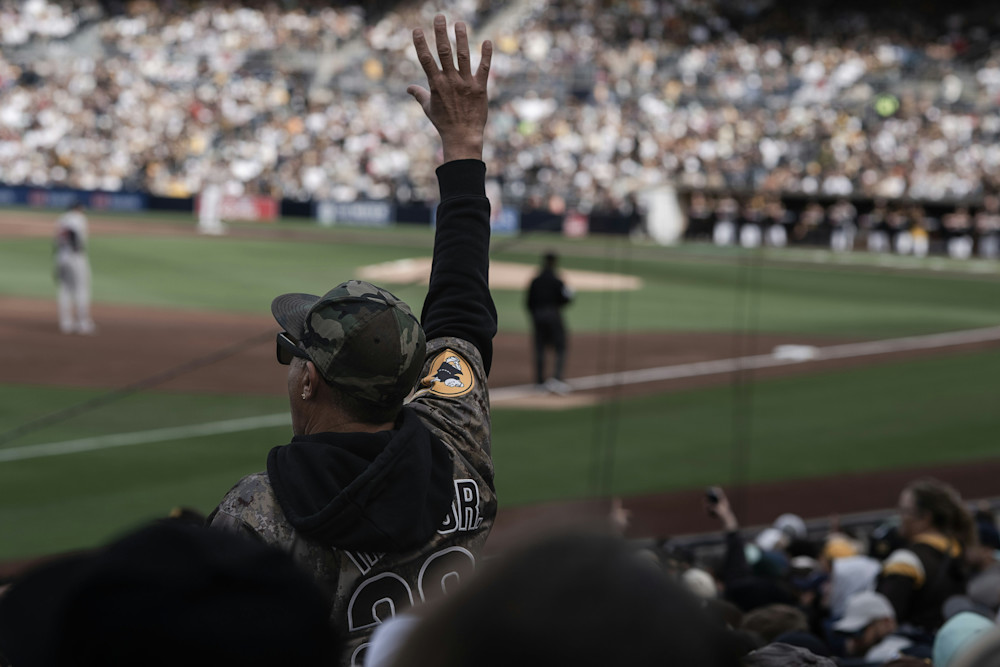
Baseball may be a game, but superstition is part of how it’s played, watched and understood.
From rally caps to lucky jerseys that haven’t seen a washing machine since Opening Day, baseball has always made room for rituals, routines and weird little acts of faith. Fans do them. Players do them. Entire franchises build mythology around them.
And that’s part of what makes an MLB game so fun. Baseball is full of tension, repetition and tiny details, which means it’s the perfect environment for people to believe that what they do might somehow matter.
Here’s a look at why baseball became such a superstitious game — and some of the strangest, most iconic rituals that still define it.
Why baseball is such a superstitious game
Baseball’s pace, structure and length make it especially vulnerable to superstition.
A 162-game season gives fans and players endless time to notice patterns. The sport also moves slowly enough for every habit to feel loaded with meaning. If a team starts winning when you wear a certain jersey, eat the same snack or sit in the same spot, it doesn’t take long for that habit to stop feeling random.
Baseball also creates long stretches of uncertainty. A game can turn on one pitch, one bounce or one weird inning, and that unpredictability makes people look for control wherever they can find it.
A lot of baseball superstition is really anti-jinx behavior. It’s not always about creating luck — it’s about not ruining it. Don’t switch seats during a rally. Don’t celebrate too early. Don’t say too much while a pitcher has something special going. In baseball, once something feels like it’s working, changing anything can feel dangerous.
Famous MLB fan superstitions and good-luck charms
Baseball fans have turned ordinary game-day behavior into an art form. Some of the sport’s most recognizable rituals live entirely in the stands or on the couch at home.
The rally cap
If you’ve ever seen fans flip their hats inside out during a late-game rally, you’ve seen one of baseball’s most iconic superstitions in action.
The rally cap is supposed to help spark a comeback when a team is trailing. Some fans wear it fully inside out, others twist it, fold it or turn it backward like a custom-built good luck device. There’s no logic behind it — only decades of people insisting they’ve seen it work too many times to stop now.
Lucky jerseys and the fear of washing them
Every baseball fan seems to have one lucky item. Maybe it’s the jersey they wore during a walk-off win, the hat they had on during a comeback or the hoodie that became part of a seven-game streak.
Once a piece of gear gets attached to a win, it can become untouchable. Fans won’t wash it, rotate it or even move it if they think it might mess with the outcome.
The no-hitter jinx
One of baseball’s most sacred unwritten rules is simple: if a pitcher has a no-hitter going, you do not talk about it.
Fans will avoid saying the words entirely, whisper around it indirectly or refuse to acknowledge it until it’s over. Mentioning it out loud is believed to jinx the pitcher and break the streak, which is why entire sections of a ballpark can suddenly start acting like normal speech has become dangerous.
Playoff beards and growing it out
While this started with players, fans have fully embraced the playoff beard.
Once the postseason begins, razors are retired. Fans grow out their beards in solidarity with the team, believing it brings good luck throughout the playoff run. The deeper the run, the wilder the beard.
The same food or drink order every game
Some baseball fans swear by the exact same game-day order every time they watch.
Same beer, same hot dog, same inning, same sequence. Once a team wins with a certain setup, even a snack order can start to feel essential. In baseball, it doesn’t take much for a routine to turn into a superstition.
Famous team-specific MLB superstitions and curses
Some baseball superstitions go beyond individual fans and become part of an entire team’s identity.
Chicago Cubs fans and the “Curse of the Billy Goat”
The Curse of the Billy Goat dates back to 1945, when a tavern owner and his pet goat were allegedly kicked out of Wrigley Field, prompting him to “curse” the team. Cubs fans blamed decades of heartbreak—including a 108-year World Series drought—on this moment. When the Cubs finally won it all in 2016, many fans celebrated not just a championship, but the end of one of baseball’s most infamous curses.
Boston Red Sox fans and the “Curse of the Bambino”
After selling Babe Ruth to the New York Yankees in 1919, the Red Sox endured an 86-year championship drought that fans attributed to the “Curse of the Bambino.” The Yankees went on to dominate baseball, while Boston suffered a string of near-misses and dramatic collapses. The curse was famously broken in 2004 when the Red Sox staged a historic comeback against the Yankees and went on to win the World Series.
St. Louis Cardinals fans and “Cardinal magic”
St. Louis Cardinals fans have long embraced the idea of “Cardinal magic,” a phrase tied to the team’s reputation for late-inning drama, unlikely comebacks and clutch performances. Over time, it has become part of the franchise’s identity—especially at Busch Stadium, where fans often believe no game is truly out of reach. It’s less a formal superstition than a shared faith that something dramatic can still happen before the final out.
San Francisco Giants fans and even-year magic
Giants fans became obsessed with “even-year magic” after the team won the World Series in 2010, 2012 and 2014. The pattern felt too perfect to ignore, leading fans to believe that every even-numbered year brought championship destiny. Even though the streak ended, the superstition still pops up anytime an even year rolls around.
Famous MLB player superstitions and rituals
Fans aren’t the only ones who buy into baseball superstition. Players have always had their own rituals too, and some of them became part of the sport’s mythology.
No talking to the pitcher during a no-hitter
One of baseball’s most famous unwritten rules kicks in when a pitcher has a no-hitter going: leave him alone.
Teammates know not to crowd him between innings, coaches tend to keep their distance and the whole dugout starts acting like normal conversation might somehow break the spell. The pitcher just sits there staring out at the field while everyone else suddenly becomes very careful.
It’s tense, dramatic and one of the clearest examples of how deeply superstition runs through baseball culture. The same instinct shows up during shutouts and perfect games too, but the no-hitter is where this ritual feels most iconic.
Don’t step on the foul lines
Baseball players have long treated the foul lines like something to be respected, not stepped on.
It’s one of the sport’s oldest rituals: cross over them if you need to, but don’t put a foot directly on the line. Like a lot of baseball superstition, the exact origin matters less than the fact that generations of players have kept doing it.
That’s part of what makes it such a good baseball ritual. It’s small, simple and easy to miss, but once you notice it, it feels like one more sign that in baseball, even the tiniest details can take on meaning.
Wade Boggs and his pregame chicken ritual
Wade Boggs became one of baseball’s most famous creatures of habit thanks to his longtime pregame ritual: eating chicken before games.
It’s the kind of routine that sounds random from the outside but makes perfect sense in baseball, where repetition and comfort can start to feel inseparable from performance. Once a habit gets tied to success, it doesn’t take much for it to become sacred.
Nomar Garciaparra and the art of the pre-pitch routine
Nomar Garciaparra turned his pre-pitch routine into one of baseball’s most recognizable habits.
The batting gloves, the toe taps, the constant readjustments — it all became part of his rhythm at the plate. For hitters especially, baseball has a way of turning timing and repetition into something that feels almost ceremonial.
Jason Giambi and the lucky gold thong
And then there’s Jason Giambi, who became associated with one of the strangest slump-busting rituals in baseball: a lucky gold thong.
It’s funny, a little absurd and completely in keeping with the sport’s long history of players trying almost anything to change their luck. That’s baseball superstition in a nutshell: some rituals are subtle, some are deeply weird, and once players believe something helps, it can stick around for a very long time.
Why these traditions make MLB games more fun
Baseball superstitions make fans feel like they’re part of the game.
They turn watching into participating. They make every inning feel a little more charged. A rally cap, a lucky jersey, a playoff beard or a silent ballpark during a no-hitter all add to the sense that baseball is about more than just what happens on the field. It’s also about ritual, belief and the shared feeling that every tiny detail might matter.
That’s a big part of what makes baseball so much fun in person. At the ballpark, you can actually see these traditions come to life in real time. It all makes the experience feel a little more personal, a little more dramatic and a lot more memorable.
And if you want to be part of that energy for yourself, SeatGeek makes it easy to find MLB tickets and get into the ballpark. Grab your lucky jersey, stick to the routine and find your next game on SeatGeek.
📁 Categories: MLB
🏷️ Tags: Boston Red Sox, San Francisco Giants, Chicago Cubs, St. Louis Cardinals